
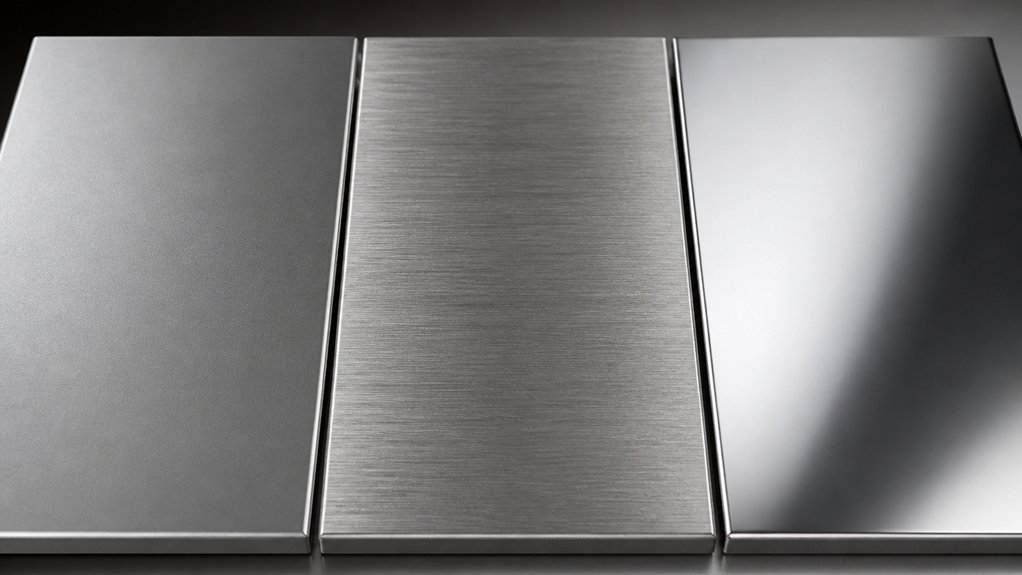
For stainless steel sheet, 2B is a smooth, low-gloss finish; No. 4 has a directional satin grain; and electropolishing removes a thin surface layer to leave a smoother, more reflective surface. The right choice depends on the part’s appearance, cleaning requirements, forming steps, and service environment.
A 2B finish is produced by cold rolling, heat treatment, pickling, and a light final rolling pass. It is common on 304 and 316 stainless sheet when a uniform matte appearance is acceptable. No. 4 is made by mechanically abrading the surface to create a visible grain, so the grain direction should be stated on drawings when parts must align visually.
Electropolishing is an electrochemical process that smooths microscopic surface peaks; it does not remove weld discoloration or replace proper cleaning and passivation. It can improve cleanability, but results depend on alloy, starting finish, part geometry, and the processor’s method. Forming, grinding, and welding can alter any finish, so specify which surfaces must retain their appearance and whether post-weld finishing is required. When reviewing a quote or sample, check the stated finish, grain direction where applicable, and treatment of edges, welds, and hidden surfaces.
How Do 2B, No. 4, and Electropolished Finishes Compare?
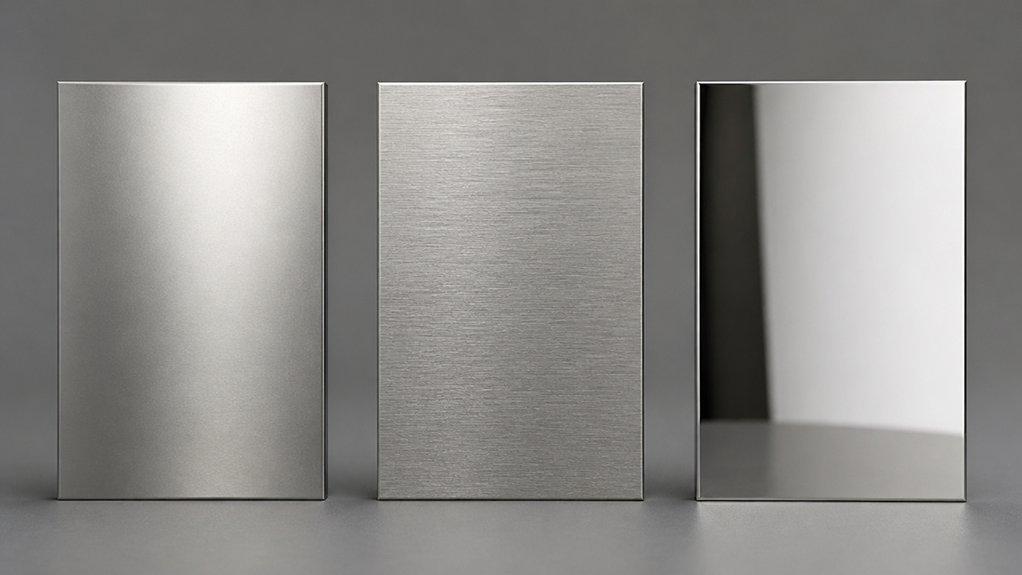
A 2B finish is smooth and matte, No. 4 has a brushed grain, and electropolishing leaves stainless steel brighter and less directional. The difference comes from how the surface is made: 2B is produced by cold rolling, heat treatment, pickling (chemical removal of scale), and a light final roll; No. 4 is mechanically abraded; electropolishing removes a thin surface layer using an electric current in a chemical bath.
For a 2B-versus-No. 4 choice, consider appearance and how the part will be used. The visible lines on No. 4 create a satin look and can make minor scratches less noticeable, while 2B has a more uniform, low-reflectivity appearance. Electropolished surfaces are smoother and more reflective than No. 4, but the result depends on the starting finish and the alloy.
When briefing a supplier, specify the stainless-steel grade, the finish designation, and which faces or areas need that finish. State any required appearance or surface-roughness limit; roughness is a measured description of surface texture. Also identify whether the part will be welded or formed, since those operations can alter the finish and may require refinishing.
Where Does Each Stainless Steel Finish Work Best?
2B finish suits tanks, equipment, and formed parts that need a smooth, practical surface rather than a visible grain. It’s a cold-rolled stainless steel finish with a smooth, reflective appearance. For general indoor service, it’s often a suitable choice when the surface won’t face heavy abrasion or need a decorative look.
No. 4 finish works well on visible parts such as appliance panels, architectural trim, and food-service counters. It has a directional brushed grain that can make minor scratches less noticeable. Specify the grain direction on drawings, and plan cleaning along the grain to reduce streaks.
Electropolished stainless steel is suited to pharmaceutical equipment, medical devices, and process piping where cleanability matters. Electropolishing is an electrochemical process that removes a thin layer of metal and leaves a smoother surface. The right finish depends on the part’s exposure, appearance requirements, cleaning method, and applicable hygiene requirements. When briefing a fabricator, identify the stainless steel grade, finish, and any surface or cleaning requirements on the part drawing.
How Do You Choose the Right Stainless Steel Finish?
Choose a stainless steel finish by matching the surface to the part’s exposure, cleaning method, appearance, and fabrication process. A finish is the surface condition created by rolling, polishing, or another process; it isn’t a protective coating.
For general fabricated parts, 2B is a smooth, reflective finish made by cold rolling and pickling. It suits many indoor uses and is relatively easy to clean. No. 4 has a brushed, directional grain that can hide minor marks, but dirt may collect along the grain. Specify the grain direction if it affects the part’s appearance or installation.
Electropolishing uses an electrochemical process to remove a thin layer of metal and smooth the surface. It can improve cleanability in hygienic service and reduce sites where contaminants collect, but it doesn’t make every stainless grade suitable for every chemical. Check the grade, chemical exposure, and cleaning agents together; for example, 304 and 316 stainless steel differ in resistance to some corrosive environments.
Before ordering, confirm the finish is available for the specified grade and works with forming and welding. Welding can alter the surface near a joint, so state whether those areas must be refinished. On drawings and purchase documents, name the finish and any appearance or cleaning requirements. If applying a coating, confirm its compatibility and adhesion separately.
Frequently Asked Questions
Can Stainless Steel Finishes Be Repaired After Scratching?
Yes, many scratches in stainless steel can be repaired, but the method depends on the scratch depth and the surface finish. A directional finish, such as brushed stainless steel, has visible lines called grain; repair abrasives must follow those lines to reduce mismatched marks.
For shallow scratches, a nonwoven abrasive pad or finishing belt can blend the damaged area with the surrounding grain. Work in the grain direction and avoid polishing across it, which can leave a visibly different texture. Test the method on an inconspicuous area or a matching offcut before treating a finished part.
Deep scratches may require removing more material and refinishing a larger area to make the surface consistent. This can change dimensions or soften edges, so check the part’s drawing and surface-finish requirements before repair. Mirror-polished, patterned, or coated finishes may need specialist refinishing or replacement because local blending can remain visible or damage the surface. Specify the finish type and acceptable appearance when briefing a fabricator, and inspect the repaired part under lighting similar to its intended use.
How Should Each Finish Be Cleaned and Maintained?
Clean stainless steel, brushed stainless steel, and other coated metal finishes with warm water, a mild detergent, and a soft cloth; rinse and dry in the direction of the grain. The grain is the visible pattern left by brushing or polishing. This method removes routine dirt without scratching the surface.
Avoid abrasive pads and cleaners containing chlorides, which can scratch metal or damage stainless steel’s protective surface. For a coated finish, check the coating manufacturer’s care instructions because some solvents and cleaners can dull or soften the coating.
Repair scratches according to the finish type. A brushed stainless steel surface may need refinishing in the same direction as its original grain, while a painted or powder-coated surface may require a compatible touch-up coating. Confirm the finish and repair method with the coating or material supplier before work begins; an unmatched repair can leave a visible difference in color, gloss, or texture.
Do Stainless Steel Finishes Affect Corrosion Resistance?
Yes. A stainless steel finish can affect corrosion resistance by changing how easily contaminants collect on the surface and how readily the steel can be cleaned. It does not replace the need to choose an alloy suited to the environment.
Electropolishing uses an electrical current and a chemical bath to remove a thin layer of metal. It can reduce surface roughness and remove embedded iron or other contaminants that may promote rust. The result depends on the stainless steel grade, the starting surface and how the process is controlled.
A brushed finish has fine directional grooves that can hold dirt, salts or moisture, especially if the grooves run across drainage paths. Regular cleaning helps, but the suitable finish depends on exposure to chlorides, cleaning chemicals, moisture and abrasion, as well as the part’s shape and maintenance access. For a fabrication brief, specify the stainless steel grade, the required finish, the direction of brushing where relevant, and any cleaning or passivation requirements. Passivation is a chemical treatment that removes free iron from the surface; it does not add a coating.
Can Different Stainless Steel Finishes Be Combined in One Project?
Yes, a project can combine stainless steel finishes, provided each finish suits the part’s environment and cleaning requirements. A finish is the surface texture or appearance produced by processes such as grinding, brushing, or polishing; it does not by itself identify the steel grade or establish corrosion resistance.
Specify the stainless steel grade separately from the finish. For example, 304 and 316 are common austenitic stainless steel grades, but the better choice depends on exposure to moisture, chlorides, chemicals, and cleaning agents. A brushed finish can show scratches differently from a polished finish, while rougher surfaces may retain more soil and require more frequent cleaning.
In the drawing or purchase specification, identify the grade, finish, and finish direction for each visible part. State which surfaces must match and where a deliberate contrast is acceptable. Also check whether welding, grinding, or forming will alter the visible finish; fabrication may leave heat discoloration or marks that require refinishing.
For parts that meet, consider how finish transitions will look and whether crevices could trap contaminants. Ask the supplier to confirm the specified finish and grade on material records, and review a sample or approved reference panel when appearance is critical.
How Do Finishing Processes Affect Stainless Steel Lead Times and Cost?
Finishing processes can increase stainless steel cost and lead time because they add handling, equipment steps, and inspection. The effect depends on the finish, part geometry, order quantity, and whether the work requires a separate finishing supplier.
Mechanical finishing changes the surface with abrasives. Brushing creates a directional grain, while polishing can produce a smoother, more reflective surface; both may require extra passes and careful protection from scratches. Electropolishing uses an electrical and chemical process to remove a thin surface layer, so it adds processing and cleaning steps. Passivation, a chemical treatment that helps restore the protective chromium-rich surface, also requires controlled cleaning and handling.
Specify the finish by naming the process and describing the required appearance or surface condition. If appearance matters, provide a reference sample or approved drawing and identify which faces need finishing. State whether welds, edges, and cutouts must match the surrounding surface, since blending them can add work.
Check whether the fabricator or a separate supplier will perform each step, and confirm how parts will be protected and inspected between operations. Mixing finishes on one part or across a batch can increase setup, sorting, and inspection time.